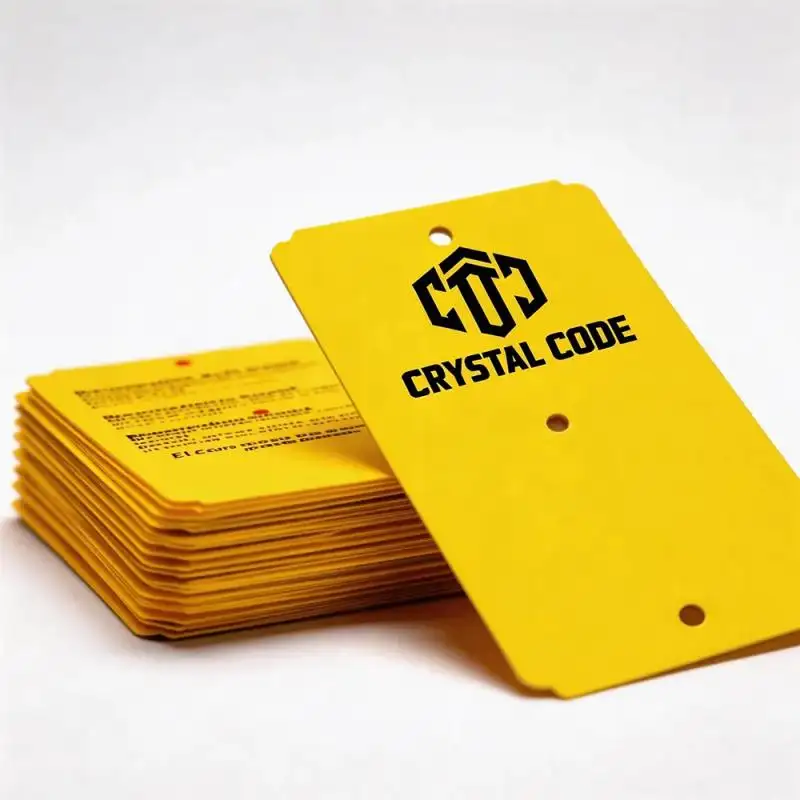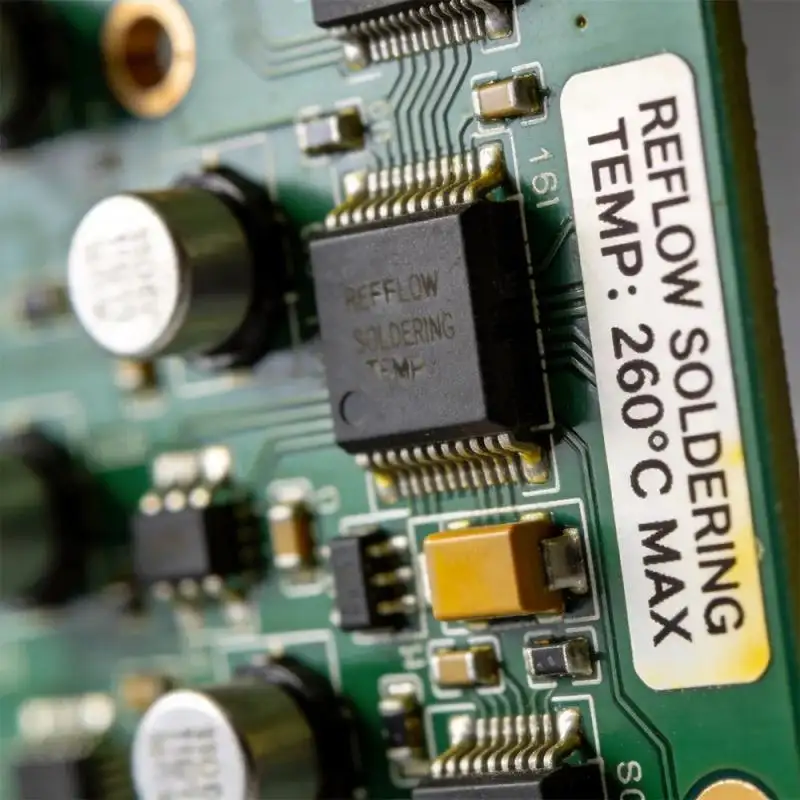


How a Thermal Resistant Laundry Tag Simplifies Linen Tracking
By hqt
A Thermal Resistant Laundry Tag looks like a simple tag, but it quietly solves some of the biggest headaches in textile management. It is a durable tag that can survive high heat, strong detergents, and constant friction, while keeping barcodes and text readable. You will find it on hotel linens, hospital gowns, rental uniforms, and even textiles used in food production. Wherever fabrics face harsh washing or finishing, this tag can help. But how exactly does it turn chaotic linen tracking into a clear, reliable system? That is where the story really begins.
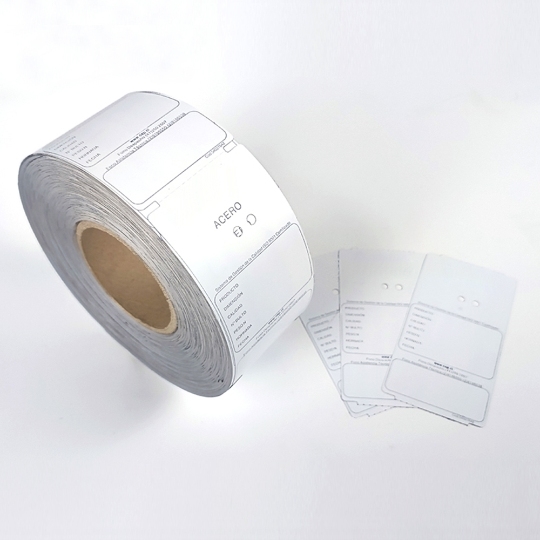
The Real Reasons Linen Tracking Breaks (And How We Fix Them)
If you've ever chased missing sheets or argued over counts, you already know the culprits: handwriting that smears, stickers that curl, and barcodes that fade after a few hard cycles. Conventional labels weren't designed for tunnel washers, steam finishing, or frequent ironing. They deform, lose contrast, and eventually stop scanning. That's when costs creep in - reprints, write-offs, emergency orders, and customer complaints.
Crystal Code approaches the problem at its source. A Thermal Resistant Laundry Tag preserves both its form and legibility under punishing conditions. The print area keeps contrast, the substrate resists scuffs, and the code remains scannable after repeated washing, drying, and pressing. Even with high-pH chemistry and mechanical agitation, the data stays intact. The result is simple: faster check-in and check-out, dependable batch links, and an audit trail you can follow without digging through manual logs.
In manufacturing terms, we engineer for two outcomes - temperature stability and readability longevity. Our material stacks are qualified to survive 250 °C to 800 °C, a range that covers steam tunnels, hot plates, and autoclave-like stages. That headroom matters. It means the tag continues to scan after many real-world cycles, not merely in a lab test or during the first week of use.
What Makes Crystal Code's Tags Different
We design for the plant floor, where speed, consistency, and uptime matter more than lab theory. Every Crystal Code Thermal Resistant Laundry Tag balances durability with ease of use - so operators don't need special handling or extra steps.
✅ Built For Harsh Cycles And Rough Handling
• Heat resilience: Text and barcodes stay readable through pressing, calendaring, and high-temp handling.
• Chemical and abrasion resistance: Detergents, surfactants, and mechanical wear don't wipe out the data.
• Attachment that fits your flow: Choose stable adhesion for textiles or mechanical attachment when adhesives aren't preferred.
ü Identification That Works With Your Systems
You can tailor each tag to your operation and brand. We support multiple colors and finishes for quick visual sorting by department or service level. Add your logo to keep assets clearly branded, then overprint variable data - serials, batch codes, GS1 or Code-128 barcodes - so items map cleanly to your ERP, WMS, or laundry software. Form factors cover flat goods (sheets, towels), garments (gowns, scrubs, workwear), mats, and specialty items without adding scratch or bulk.
✅ Three Practical Deployment Paths
• Ambient apply, then heat exposure. Apply tags at room temperature; they ride through baking, annealing, or hot finishing later.
• Hot-surface apply (up to 800 °C) with heat-activated adhesive. Tag immediately after hot processing - no cooling queue, no bottleneck.
• Mechanical tag materials. When adhesives aren't ideal or goods pass through reductive or chemical stages, a mechanically attached Thermal Resistant Laundry Tag keeps identification secure.
Because you can mix these methods, you don't need a big process overhaul. Start with the easiest lane - high-loss items or a single department - and expand once the wins are visible.
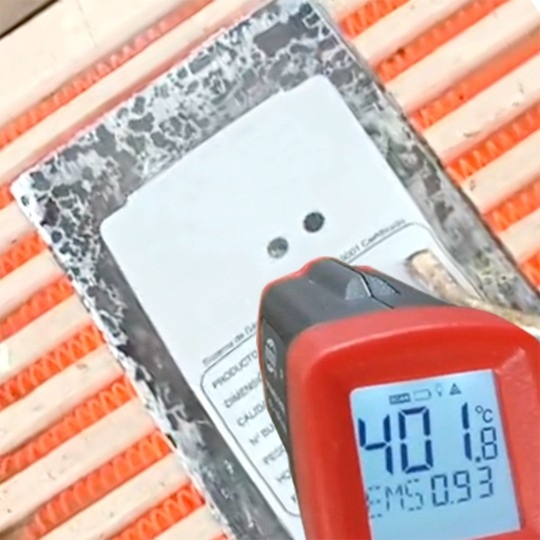
Use Cases, Rollout Plan, And Measurable Gains
A Thermal Resistant Laundry Tag pays for itself by making the entire cycle visible. In hospitality, tags tie linens to floors or rooms and flag aging inventory before quality slips. In healthcare, they connect gowns and drapes to sterilization batches, helping with traceability and compliance. Uniform and workwear rental providers link garments to contracts and return schedules, which cuts billing disputes and shrink. And if your plant touches high-heat adjacent tasks - food processing, ceramics, or metal-related handling - the same material platform holds up outdoors and under chemical exposure, so you run one labeling standard across jobs.
Here's a quick, low-risk rollout we recommend:
Map the touchpoints. Walk the line and pick tag placement that survives sort, wash, dry, iron, and pack without snagging or peeling.
Select your build. Choose color, print layout, barcode symbology, and attachment method based on fabric type and cycle conditions.
Standardize and train. Simple SOPs - apply here, scan here, verify here - keep every shift consistent. A short checklist eliminates rescans and slowdowns.
Once live, you'll notice the operational effects quickly:
• Fewer losses and reprints. Each piece stays traceable from intake to delivery; emergency re-labeling drops.
• Faster counts, fewer rescans. Reliable scans speed up cage loading, packing, and route dispatch.
• Cleaner compliance. Persistent batch links support internal audits and customer QA.
• Lower total cost. Durable tags reduce write-offs, labor spent searching for items, and friction with customers.
❓ Why The Temperature Window Matters?
Many labels claim "heat resistance,” but the real question is how much and for how long. The 250 °C–800 °C operating window gives you margin for spikes from presses, hot plates, or steam bursts. That margin protects print contrast and substrate integrity - the two variables that determine whether a barcode scans on the first try. Protect those, and your throughput climbs without adding headcount.
- Designed For Data, Not Just Ink
Legible print is only half the story; data structure is the other half. Because each Thermal Resistant Laundry Tag supports consistent barcoding, your inventory and billing systems get clean inputs: item ID, customer, route, batch, and lifecycle status. Clean inputs mean accurate KPIs - turn times by customer, loss rates by department, and aging curves for proactive replacement.
Ready To See It In Your Plant?
Crystal Code can configure a Thermal Resistant Laundry Tag package for your exact wash chemistry, heat profile, and fabric mix. We'll recommend the right material stack (with 250 °C–800 °C tolerance), the best attachment method for your goods, and a print layout that drops straight into your software. Request samples and a quick pilot today - and turn linen tracking from a headache into a reliable, data-driven advantage.


- Adhesive Inkjet transparent
- Agodeo inkjet vinyl sticker paper
- AIVA printable vinyl sticker paper
- best inkjet vinyl sticker paper for outdoor use
- cheap printable vinyl sticker paper for outdoor use
- cold chain temperature indicator
- color-change temperature sticker
- Cricut vinyl sticker paper inkjet
- custom vinyl sticker printing
- DIY sticker paper sheets
- durable waterproof sticker paper for inkjet printers
- electronics temperature sticker label
- glossy inkjet vinyl sticker paper
- hot equipment warning sticker
- industrial temperature indicator label
- inkjet sticker paper for Cricut
- matte inkjet sticker paper
- medical temperature indicator sticker
- multi-point irreversible temperature sticker
- Neato vinyl sticker paper
- one-time temperature indicator label
- orajat 1917 printable vinyl
- peak temperature measurement label
- printable vinyl for car decals
- printable vinyl for laptop stickers
- printable vinyl for scrapbooking
- professional quality inkjet vinyl sheets
- reversible temperature monitor label
- self-adhesive printable vinyl
- shipping temperature indicator label
- Tear-resistant sticker paper
- temperature indicator for food safety
- temperature monitoring sticker for transport
- transparent label sticker
- vinyl sticker paper for labels
- waterproof printable vinyl paper
- where to buy inkjet vinyl sticker paper