

What Issues Industrial High Temperature Resistant Labels Successfully Fix
By hqt
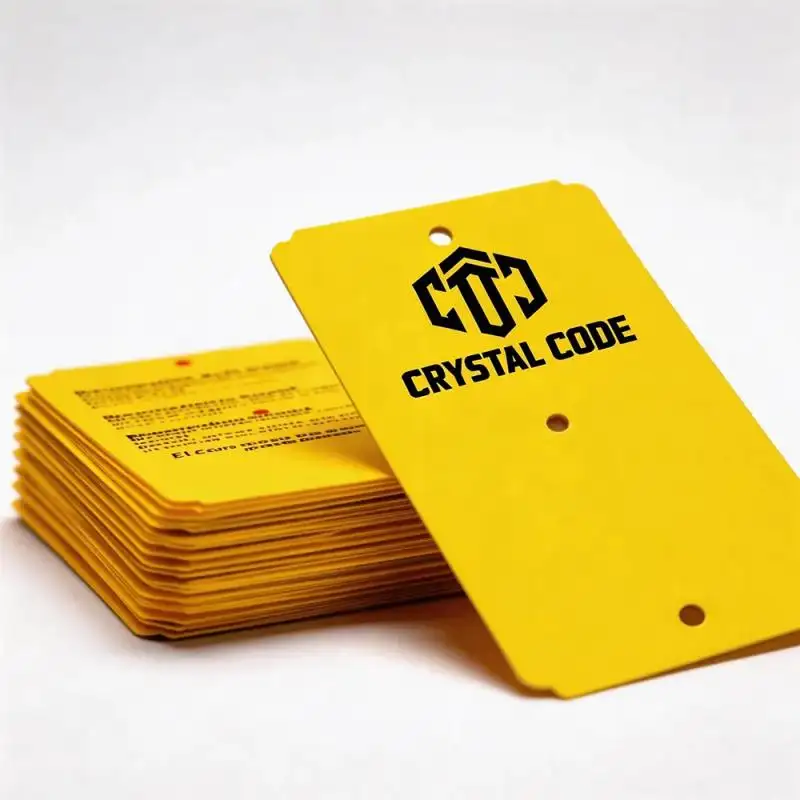
Industrial High Temperature Resistant Labels are durable ID tags built for heat. They use robust films and coatings to stay readable and secure. They resist high temperatures, chemicals, and abrasion. You will find them on circuit boards, engine parts, steel products, aircraft components, and medical devices after sterilization. They support fast scanning and reliable tracking across harsh processes. They help teams keep data intact from line start to final pack. But what problems do they truly remove on the shop floor? And where do they make the biggest difference? Keep reading - we'll reveal the issues they fix next.
Problems These Labels Eliminate
When the line heats up, ordinary labels fail in predictable ways. They fade, curl, smear, or fall off. Each small failure becomes a big problem: parts pause, operators relabel, and your history of who-made-what-and-when disappears. At Crystal Code, we build Industrial High Temperature Resistant Labels to stop those losses at the source.
Heat doesn't just degrade a label; it destroys the link between your product and its data. That break causes traceability gaps, missed scans, and rework that hurts OEE and delivery dates. Our approach is practical: choose materials that tolerate repeated heat, use a face coating that resists chemicals and abrasion, and pair them with an adhesive engineered for hot, rough, or low-energy surfaces. The goal is simple - labels that keep doing their job when the environment gets hostile.
✅ Where Heat Hits Your Operation
- Traceability loss: Unreadable barcodes break genealogy and invite audit findings.
- Rework and delays: Manual relabeling triggers line stops, WIP pileups, and operator frustration.
- Scrap exposure: If identity is uncertain, parts get quarantined or scrapped.
- Warranty and compliance risk: Missing IDs weaken root-cause analysis and certification evidence.
How Crystal Code Makes Labels That Last
We design for actual production, not lab-only conditions. Industrial High Temperature Resistant Labels from Crystal Code use high-temperature synthetics - polyimide or PET - plus a heat- and chemical-resistant coating that keeps text and codes sharp after thermal cycling, solvents, and abrasion. Materials are rated to withstand up to 300 °C (572 °F) without bleaching, bubbling, or print lift, so marks remain scannable after oven cure, reflow soldering, paint bake, engine testing, or autoclave runs.
Materials And Coatings That Protect Readability
The face stock carries the message, so we protect it. Our high-temperature synthetic films resist heat, chemicals, and abrasives. The topcoat locks in print contrast, so 1D and 2D codes stay crisp even when parts go from heat to cool-down to heat again. That stability prevents the classic “first pass scans fine, last pass fails” problem that chokes throughput.
Adhesives That Stay Put In Extreme Conditions
Adhesion is often the weak link. We specify high-performance, heat-resistant adhesives tuned for metal, plastic, glass, and ceramics - including rough castings, coated panels, and oily housings. Good labels fail when edges lift during bake or test. Ours maintain tack and resist creep, so operators don't find corners curling at the worst time.
Printing And Data Integrity
Good data begins with legible print. Our labels offer strong ink receptivity for reliable inkjet output and high-density barcodes with clean edges. Codes remain high contrast after exposure to heat and cleaning agents, which means scanners read on the first try. The result: shorter cycle times at receiving, kitting, assembly, test, and pack-out.
Where They Work Best (And Why)
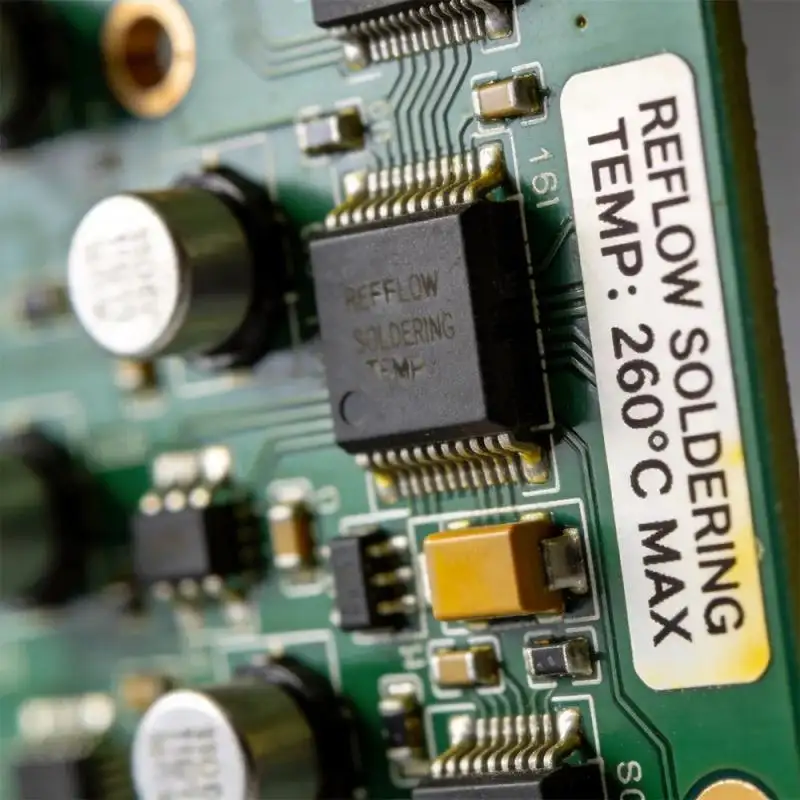
Electronics & Circuit Boards: Reflow and flux are a tough combo. Polyimide labels handle thermal shock while the coating defends against residues, so QRs and 2D codes scan from paste to final pack.
Automotive & Engine Components: Heat meets oil and vibration. Our adhesive bonds to engine blocks, manifolds, and housings; the coated face resists oils and abrasion. IDs survive hot tests and paint bake, preserving torque, batch, and VIN-related records.
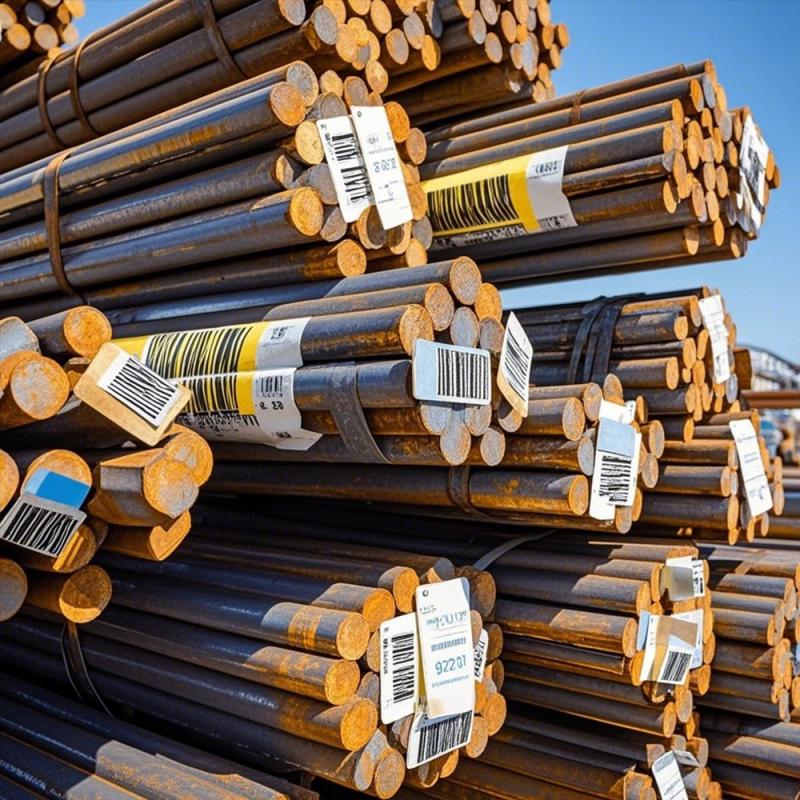
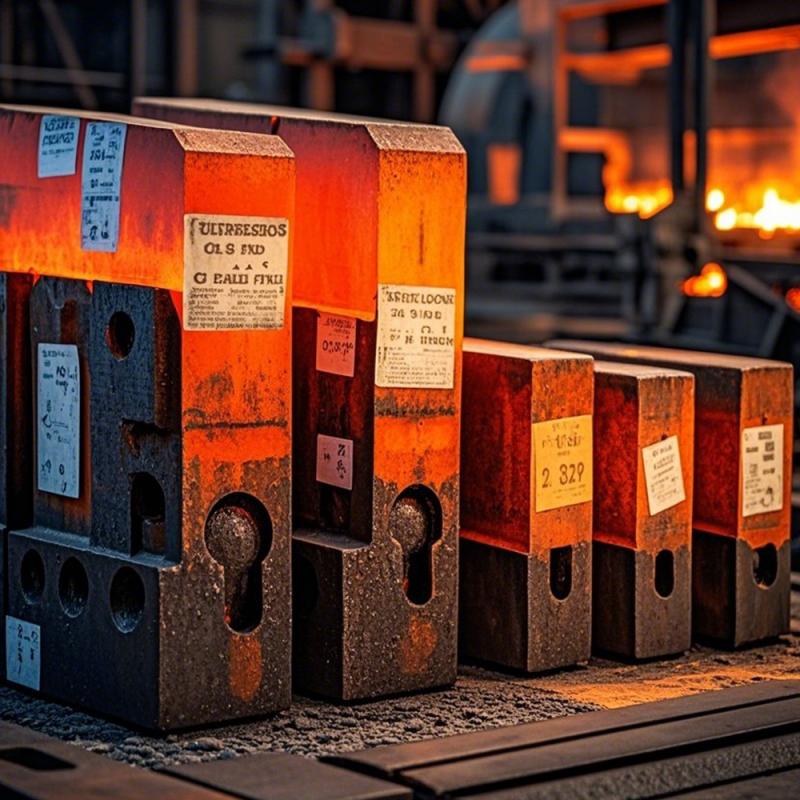
Steel, Aerospace & High-Temp Manufacturing: Furnaces and forming punish surface markings. Industrial High Temperature Resistant Labels protect operator instructions, serials, and compliance marks through heat treatment and MRO, strengthening air-worthiness and process documentation.
Medical & Sterilization: Autoclaves and harsh cleaners erase ordinary labels. Our heat- and chemical-resistant coating keeps device IDs, lot numbers, and IFU links readable after repeated cycles - supporting SGS/ROHS/ISO expectations.
Fixing Pain Points With Measurable Gains
Customers rarely ask for labels; they ask for fewer stoppages, cleaner audits, and dependable history. That is where Industrial High Temperature Resistant Labels deliver outsized value: by preventing the small errors that snowball into big costs.
✅ Typical Pain Points We Resolve
• Unreadable IDs after heat: Labels remain legible beyond 300 °C (572 °F) exposure scenarios.
• Edge lift on hot or textured surfaces: Heat-resistant adhesives maintain bond on metal, plastics, glass, and ceramics.
• Smearing and fade under chemicals: The topcoat guards against solvents and abrasion, preserving contrast.
• Mixed lots and mis-picks: Persistent, scannable codes sustain WIP tracking and inventory accuracy.
✅ Operations Impact You Can See
Teams that switch to the right label see fewer reprint events and fewer “no-read” exceptions. First-time scan rates rise, which trims seconds at every gate. Over a shift, those seconds add up to productive minutes; over a week, they become hours of uptime. By closing traceability gaps, you make audit trails straightforward and defect isolation faster. When a customer asks for evidence, your data is intact and immediate.
Why Crystal Code?
We focus on fit-for-purpose labeling. That means selecting the right face stock, adhesive chemistry, and coating for your exact workflow, not a one-size-fits-all SKU. We can match label size to tight spaces like small PCB IDs or scale up for large WIP tags. The result is a label that behaves like a component of your process - not an afterthought that fails when the shift gets hot.
Ready To Keep Your Data Alive In The Heat?
If heat is blurring codes, lifting edges, or breaking traceability, it's time to switch. Industrial High Temperature Resistant Labels from Crystal Code are engineered to stay readable, stay put, and stay compliant from first heat to final pack.
Call to Action: Talk with a Crystal Code specialist today for application guidance, samples, and a fast quote. Let's specify the right material, adhesive, and format for your line - so your IDs survive the heat and your data survives the day.


- Adhesive Inkjet transparent
- Agodeo inkjet vinyl sticker paper
- AIVA printable vinyl sticker paper
- best inkjet vinyl sticker paper for outdoor use
- cheap printable vinyl sticker paper for outdoor use
- cold chain temperature indicator
- color-change temperature sticker
- Cricut vinyl sticker paper inkjet
- custom vinyl sticker printing
- DIY sticker paper sheets
- durable waterproof sticker paper for inkjet printers
- electronics temperature sticker label
- glossy inkjet vinyl sticker paper
- hot equipment warning sticker
- industrial temperature indicator label
- inkjet sticker paper for Cricut
- matte inkjet sticker paper
- medical temperature indicator sticker
- multi-point irreversible temperature sticker
- Neato vinyl sticker paper
- one-time temperature indicator label
- orajat 1917 printable vinyl
- peak temperature measurement label
- printable vinyl for car decals
- printable vinyl for laptop stickers
- printable vinyl for scrapbooking
- professional quality inkjet vinyl sheets
- reversible temperature monitor label
- self-adhesive printable vinyl
- shipping temperature indicator label
- Tear-resistant sticker paper
- temperature indicator for food safety
- temperature monitoring sticker for transport
- transparent label sticker
- vinyl sticker paper for labels
- waterproof printable vinyl paper
- where to buy inkjet vinyl sticker paper