

Heat-Sensitive Stickers 2026 Guide: Irreversible Color Records Explained
By hqt
Heat-Sensitive Stickers deliver a simple visual record of overheating, helping teams protect equipment, improve reliability, and maintain audit-ready documentation.

Understanding Irreversible Color Records
Heat-Sensitive Stickers use a ladder of temperature points that rise step by step, much like a thermometer. Each step is a small window that stays white until the monitored surface reaches or exceeds its rated temperature. When that threshold is hit, the window turns black. The change happens quickly, the color shift is irreversible, and the black window becomes a permanent record you can read at a glance.
This stepwise display is powerful in busy environments. You do not need instruments during the event. You check later, see the highest step that turned black, and you know the peak temperature was reached or exceeded at that level. It is a built-in evidence trail for maintenance, safety checks, warranty reviews, and compliance audits. In other words, the sticker turns a fleeting heat spike into a durable datapoint.

Where Industry Uses Heat-Sensitive Stickers in 2026
From heavy industry to clean processes, teams use these indicators as fast, trustworthy witnesses to heat exposure:
• Railways: Monitor wheel axle boxes on air-conditioned passenger cars to catch rising temperatures before they escalate.
• Power switchgear: Watch busbars and electrical equipment in cabinets to spot hotspot formation and cut downtime.
• Steel mills: Track surface temperatures on equipment and fixtures to avoid thermal stress and improve process stability.
• Transportation and distribution: Verify that goods did not exceed critical temperature limits during transit.
• Heat-based cleaning: Prove your cycles reach the temperatures compliance demands.
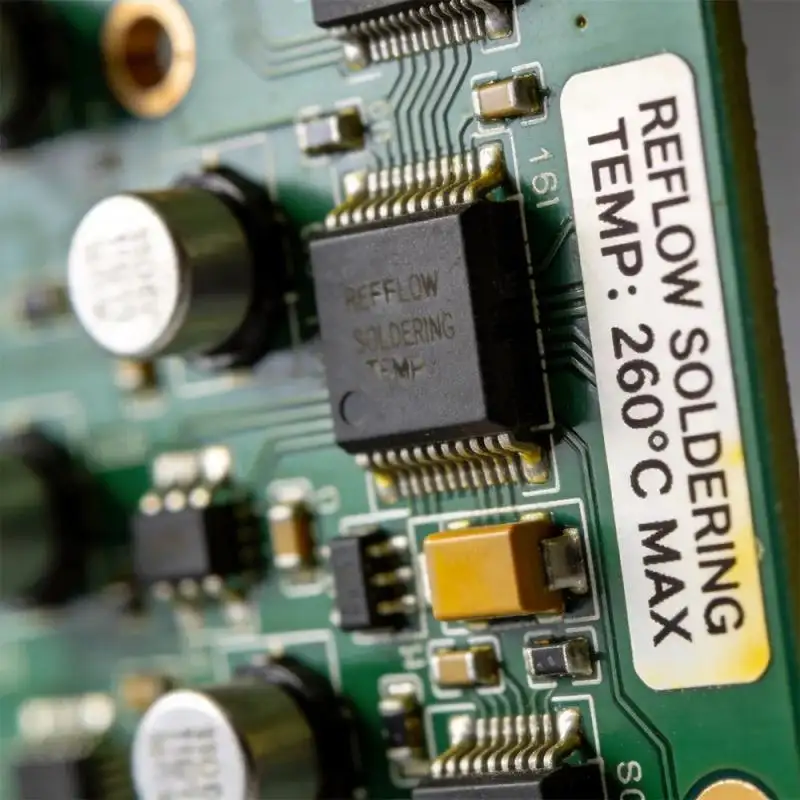
• Soldering precision: Confirm every joint is on temp - without cooking nearby parts.
• Engine protection: Capture temperature exposure to back warranties and pinpoint issues faster.
• Smart maintenance: Warn operators the moment temperatures move beyond safe limits.
Choosing the Right Temperature Points
Selecting the right ladder of temperature points starts with your process limits. Identify the normal operating band, the caution zone, and the fail-safe threshold. Choose stickers whose steps bracket those zones. A tighter step spacing improves resolution when short heat spikes matter. A wider spacing is fine when you need a simple go/no-go confirmation.
Think about how heat rises and dissipates in your application. Busbars and axle boxes can warm gradually; engines and solder joints may spike quickly. Place the sticker near the true hotspot, not just where access is convenient. If your process has several critical stages, consider using two stickers with different ranges on the same asset: one for routine monitoring and one for high-risk events. The clear ladder display helps you see not only if an over-temperature occurred, but by how much and in which zone. That makes it easier to plan maintenance, adjust operating parameters, and document compliance without complex instrumentation.
Installation and Storage Best Practices
For reliable readings, installation details matter. Follow these simple practices to get consistent results:
• Apply to a clean, dry surface to ensure proper adhesion and accurate contact with the substrate.
• In oily or aggressive environments, seal the label with one or more layers of clear epoxy on a clean, dry surface to protect it and keep it readable.
• Store only at refrigeration temperatures, and do not place labels in deep-freeze conditions.
• Avoid use in vacuum or during microwave heating, as both conditions can significantly affect label function.
• Press the sticker firmly and avoid repositioning. Let the adhesive set before putting the asset back into service.
• Place the sticker close to the suspected hotspot and away from direct splashes or abrasion that could obscure the windows.
Product Benefits That Turn into Customer Wins
CrystalCode Heat-Sensitive Stickers are designed for fast field use. Self-adhesive backing means installs take minutes, not hours, and no special tools are required. Good softness lets each sticker conform to curved or textured surfaces, such as axle boxes or round busbars, so you get solid contact and reliable readings. Strong adhesion keeps the indicator in place under vibration and routine handling, which reduces the chance of lost records.
The irreversible color change is your audit-ready proof. You do not need power, data cables, or calibration routines. You capture peak temperature exposure right where it happens, and you keep the evidence visible for inspection. That simplicity translates into fewer unplanned stops, faster root-cause analysis, and clearer documentation for quality teams, customers, and insurers.

From Data to Decisions- Made with Confidence
Heat-Sensitive Stickers give you a single, reliable visual: the highest black window shows the maximum temperature reached. That clarity helps operations act sooner. When the caution step turns black, teams can schedule inspections proactively, preventing avoidable failures. In shipping, a black window can flag a package for review and help you trace where conditions went out of limits. In disinfection or thermal cleaning, a black mark at the required step is straightforward evidence of temperature achievement. In soldering, it helps confirm process consistency; in engines and rotating equipment, it supports warranty investigations by showing actual thermal exposure.
Because the display is permanent, audits are simpler. You can take photos, log asset IDs, and pair observations with time and place. Over weeks, those records become a practical trend line for safety improvements and cost savings.
Your 2026 Action Plan With Heat-Sensitive Stickers
Start small: pick one or two high-risk assets and add indicators near known hotspots. Define the temperature points that match your caution and limit zones. Train operators on how to read the ladder and what actions to take when a window turns black. Add the checks to your standard operating procedures and keep a simple log with photos. Expand to other assets once you see the improved visibility and reduced downtime.
Call to action: Ready to see the difference on your line, rail fleet, or cabinet? Contact CrystalCode today to request samples and an application guide. Our team will help you choose temperature points, plan installation, and set up easy audit steps so you get clear, reliable records from day one.


- Adhesive Inkjet transparent
- Agodeo inkjet vinyl sticker paper
- AIVA printable vinyl sticker paper
- best inkjet vinyl sticker paper for outdoor use
- cheap printable vinyl sticker paper for outdoor use
- cold chain temperature indicator
- color-change temperature sticker
- Cricut vinyl sticker paper inkjet
- custom vinyl sticker printing
- DIY sticker paper sheets
- durable waterproof sticker paper for inkjet printers
- electronics temperature sticker label
- glossy inkjet vinyl sticker paper
- hot equipment warning sticker
- industrial temperature indicator label
- inkjet sticker paper for Cricut
- matte inkjet sticker paper
- medical temperature indicator sticker
- multi-point irreversible temperature sticker
- Neato vinyl sticker paper
- one-time temperature indicator label
- orajat 1917 printable vinyl
- peak temperature measurement label
- printable vinyl for car decals
- printable vinyl for laptop stickers
- printable vinyl for scrapbooking
- professional quality inkjet vinyl sheets
- reversible temperature monitor label
- self-adhesive printable vinyl
- shipping temperature indicator label
- Tear-resistant sticker paper
- temperature indicator for food safety
- temperature monitoring sticker for transport
- transparent label sticker
- vinyl sticker paper for labels
- waterproof printable vinyl paper
- where to buy inkjet vinyl sticker paper