

Safeguarding the Chain: How Temperature Indicator Stickers Ensure Food & Pharma Safety
By peter, ren
The integrity of global supply chains rests on a single, invisible factor: Temperature. Whether it is a life-saving vaccine transported across continents or a shipment of premium seafood destined for a high-end restaurant, a shift of just a few degrees can render a product useless or worse, dangerous.
Get the Temperature Indicator Stickers. These small, cost-effective, yet highly sophisticated devices have revolutionized the way the food and pharmaceutical industries monitor safety. Unlike complex electronic loggers, these visual indicators provide immediate, undeniable proof of thermal exposure.
1. What Are Temperature Indicator Stickers?
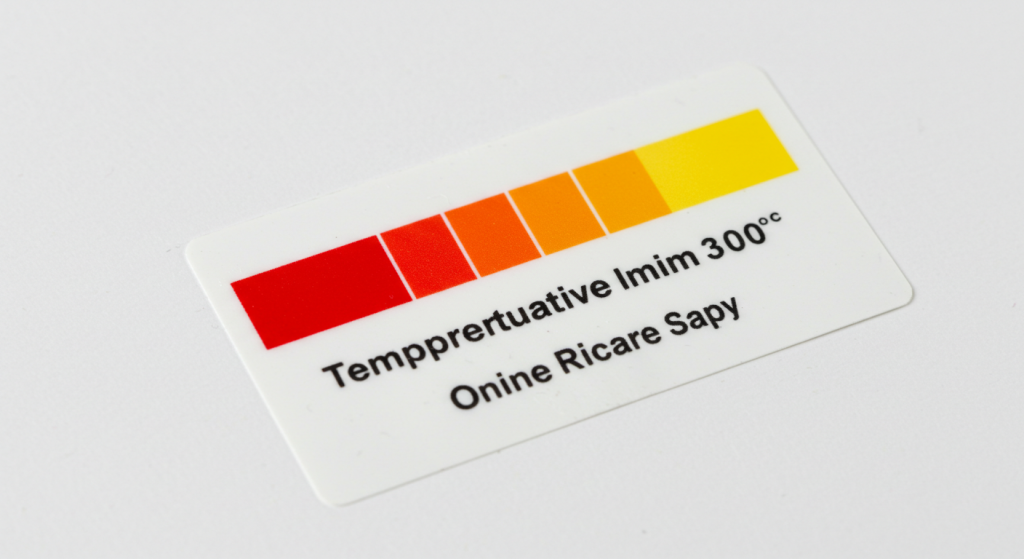
A temperature indicator sticker (also known as a thermal label or color-changing sticker) is a thin, adhesive device that utilizes specialized chemical compounds—often thermochromic inks or phase-change materials—to track thermal history.
They generally fall into two categories:
- Reversible Indicators: These change color when a temperature is reached but return to their original state when the temperature drops. These are ideal for real-time monitoring of machinery.
- Irreversible Indicators: Once a specific temperature threshold is crossed, the color change is permanent. These are the gold standard for food and pharma safety, as they provide a permanent record of a "temperature excursion" (a breach in the cold chain).
2. The Role of Cold Chain Integrity in Pharma
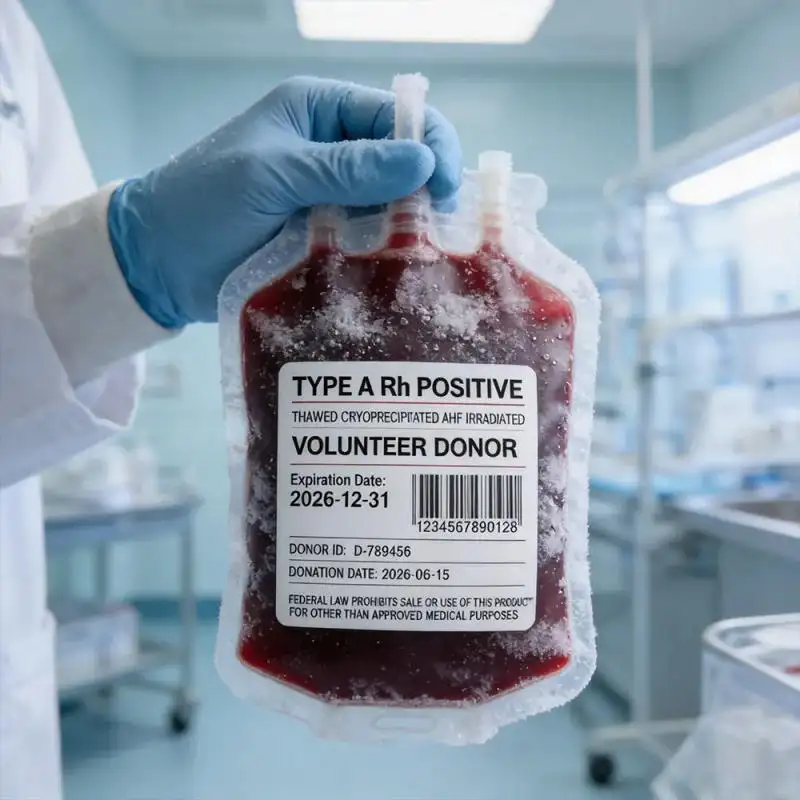
In the pharmaceutical world, "stability" is everything. Biologics, insulin, and modern mRNA vaccines are highly sensitive to heat. If these products exceed their validated temperature range, the proteins can denature, leading to a complete loss of potency.
Protecting Patient Safety
A pharmacist or doctor cannot "see" if a vaccine has been spoiled just by looking at the liquid. By using Time-Temperature Indicators (TTI) on the packaging, medical professionals get a visual "Go/No-Go" signal. If the sticker has turned from white to red, the product is discarded, preventing the administration of ineffective medicine.
Regulatory Compliance (GDP)
International regulations, such as Good Distribution Practices (GDP), require rigorous monitoring of medicinal products. Temperature indicator stickers provide a low-cost way to comply with these audits, offering a clear "audit trail" on every individual unit rather than just the shipping container as a whole.
3. Revolutionizing Food Safety and Shelf Life
For the food industry, temperature monitoring is the primary defense against foodborne illnesses like Salmonella and Listeria.
The "Danger Zone"
Bacteria thrive in the "Danger Zone" between 5°C and 60°C (40°F - 140°F). Food safety labels placed on meat, dairy, or seafood shipments allow receivers to verify that the product never entered this zone during transit.
Reducing Food Waste
Global food waste is a trillion-dollar problem. Often, entire shipments are discarded because of a suspected temperature breach. However, with precise stickers that track both time and temperature, distributors can see if a breach was long enough to cause spoilage or if it was a minor, safe fluctuation. This precision saves thousands of tons of perfectly good food from landfills.
4. Key Benefits Over Electronic Loggers
While digital data loggers have their place, temperature indicator stickers offer unique advantages for ccsticker.com clients:
- Cost-Efficiency: You can place a sticker on every single carton or even every individual item, which is financially impossible with digital sensors.
- Instant Readability: No software, USB connections, or Bluetooth syncing required. Anyone—from a warehouse worker to a delivery driver—can interpret a color change instantly.
- No Power Source: Stickers don't have batteries. They don't fail due to power loss or "sleep modes" during long-haul flights.
- Evidence of Tampering: Because they are adhesive and permanent, they cannot be reset or "faked" once a thermal breach has occurred.
5. Technical Specifications: How They Work
The science behind these labels is fascinating. Most industrial-grade stickers utilize latent heat of fusion. Inside the sticker is a tiny reservoir of a chemical with a precise melting point. When that temperature is hit, the chemical melts and is absorbed by a white paper layer, revealing a bright color (often red or black).
Critical Thresholds
Standard industry thresholds include:
- Freezing Indicators (0°C): Vital for products that must not freeze (like certain liquid chemicals or vaccines).
- Chilled Range (2°C to 8°C): The standard range for most refrigerated pharmaceuticals.
- High Heat (above 40°C): Used for shelf-stable goods that can still be damaged by extreme warehouse heat.
| Feature | Irreversible Stickers | Reversible Labels | Time-Temp Indicators (TTI) | Digital Data Loggers |
| Primary Use | Permanent record of heat/freeze breach. | Real-time current temp monitoring. | Shows how long a breach lasted. | Detailed digital history & analytics. |
| Visual Signal | Permanent color change (e.g., White to Black). | Changing colors (Liquid Crystal). | Gradual color migration through windows. | LCD screen or LED flash. |
| Power Source | None (Chemical-based). | None (Chemical-based). | None (Chemical-based). | Battery-powered. |
| Industry Fit | Vaccines, Chilled Meats, High-value Pharma. | Aquariums, Forehead fever strips, HVAC. | Seafood logistics, Fresh produce, Dairy. | Warehouse audits, Shipping containers. |
| Cost | $ (Very Low) | $ (Low) | $$ (Moderate) | (High) |
| Reliability | Fail-safe (No electronics). | High (for current state). | High (for transit times). | Risk of battery/sensor failure. |
| Tamper Proof | Yes (Cannot be reset). | No (Resets naturally). | Yes (One-time use). | Requires software security. |
6. Implementation: Where to Place Your Stickers
For maximum accuracy, placement is key.
- Secondary Packaging: Place the sticker on the inner box, closest to the product.
- Avoid Air Pockets: Ensure the sticker is flush against the surface to record the actual temperature of the goods, not the air inside the box.
- Visibility: Place them near the opening of the container so they are the first thing the receiver sees upon inspection.
7. The Future: Smart Labels and RFID Integration
As we look toward 2027 and beyond, the industry is moving toward "Hybrid Labels." These combine the visual simplicity of a temperature sticker with RFID technology. This allows a warehouse scanner to "read" the temperature status of 1,000 boxes simultaneously as they pass through a loading dock, while still providing the visual backup for the end-user.
Conclusion
In an era of globalized trade and heightened safety standards, Temperature Indicator Stickers are no longer optional—they are a necessity. They provide the "silent voice" for products that cannot speak for themselves, ensuring that when a package reaches its final destination, its safety and efficacy remain intact.
For businesses looking to secure their supply chain, investing in high-quality, ISO-certified thermal labels is the most cost-effective insurance policy available.


- Adhesive Inkjet transparent
- Agodeo inkjet vinyl sticker paper
- AIVA printable vinyl sticker paper
- best inkjet vinyl sticker paper for outdoor use
- cheap printable vinyl sticker paper for outdoor use
- cold chain temperature indicator
- color-change temperature sticker
- Cricut vinyl sticker paper inkjet
- custom vinyl sticker printing
- DIY sticker paper sheets
- durable waterproof sticker paper for inkjet printers
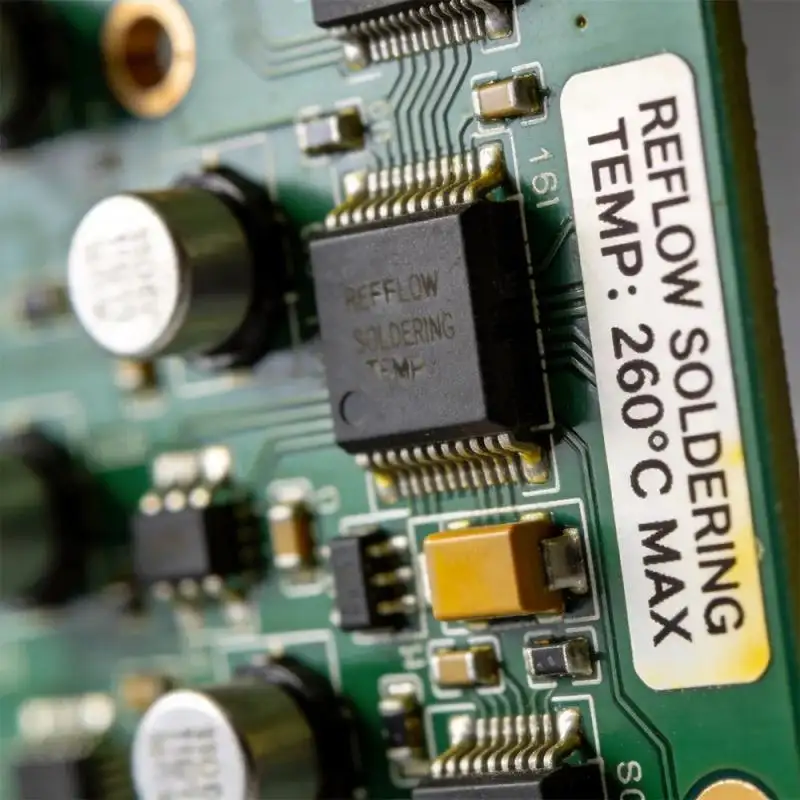
- electronics temperature sticker label
- glossy inkjet vinyl sticker paper
- hot equipment warning sticker
- industrial temperature indicator label
- inkjet sticker paper for Cricut
- matte inkjet sticker paper
- medical temperature indicator sticker
- multi-point irreversible temperature sticker
- Neato vinyl sticker paper
- one-time temperature indicator label
- orajat 1917 printable vinyl
- peak temperature measurement label
- printable vinyl for car decals
- printable vinyl for laptop stickers
- printable vinyl for scrapbooking
- professional quality inkjet vinyl sheets
- reversible temperature monitor label
- self-adhesive printable vinyl
- shipping temperature indicator label
- Tear-resistant sticker paper
- temperature indicator for food safety
- temperature monitoring sticker for transport
- transparent label sticker
- vinyl sticker paper for labels
- waterproof printable vinyl paper
- where to buy inkjet vinyl sticker paper