


Video
Oven Resistant Barcode Labels
Durability: Oven resistant barcode labels endure high-temperature sterilization, ensuring patient sample identification remains intact during repeated hospital autoclaving cycles.
Readability: Using oven resistant barcode labels allows scanning systems to reliably read barcodes even after exposure to extreme heat, preventing misidentification of blood samples.
Adhesion: Labels stick securely to blood vials and tubes, reducing the risk of peeling or shifting during handling, transport, or storage.
Clarity: Printed information remains sharp and legible after exposure to heat, moisture, or chemical cleaning, supporting accurate laboratory workflows.
Efficiency: Integrating these labels into hospital sample management accelerates processing, minimizes errors, and streamlines tracking systems for both staff and automated equipment.

Durable Sheet Format

Sterilization Process Safe

Smudge-Free Printing
-

Packaging Design and Innovation
Offers professional packaging design services, combining the latest market trends and customer needs to guarantee unique and visually appealing box packaging.
-
Efficient Production Capacity
Sophisticated manufacturing equipment and technology, quick market response, and delivery scheduling capabilities.
-
Global Logistics and Distribution
Customized logistics with mode and route switches to accommodate customer demands, thus reducing logistics costs.

Specification
| Product Name : Oven Resistant Barcode Labels | Temperature Resistance : 180–250 °C |
| Material Type : Polyester Film | Adhesive Type : Heat-Resistant Acrylic |
| Label Thickness : 70 µm | Width : 25 mm |
| Length : 50 mm | Print method : Thermal Transfer |
| Color : White/Matte | Tensile strength : 55 MPa |
| Elongation at Break : 40 % | Chemical Resistance : High |
Description
oven resistant barcode labels are constructed from layered materials designed to withstand high-temperature sterilization and oven processes. The top layer uses durable polyester or polyimide film that maintains structural integrity and provides a stable surface for barcode printing. A specially engineered coating is applied to the film to ensure ink adhesion and prevent smudging during thermal exposure. Beneath the film, a heat-resistant adhesive layer allows secure bonding to blood vials, laboratory tubes, or other sample containers. A protective release liner stabilizes the sheet during handling and feeding into printing systems, ensuring consistent placement and reducing errors during automated or manual operations. Each component is optimized to perform reliably in clinical and laboratory environments where high temperatures and chemical exposure are common.
Manufacturing Process
Manufacturers produce oven resistant barcode labels through extrusion, coating, and lamination techniques. The base film is formed under tightly controlled thermal conditions to ensure uniform thickness and dimensional accuracy. Functional surface treatments are applied to enhance ink receptivity and prevent degradation under heat. Adhesive layers are laminated with precision rollers to guarantee consistent performance and easy application. The material then passes through curing and stabilization stages, which solidify its heat resistance. Finally, sheets or rolls are cut to standard sizes compatible with laboratory printers and automated labeling machines, and inspected for quality, adhesion, and coating uniformity.
Printing and Processing
oven resistant barcode labels are compatible with thermal transfer, laser, and inkjet printing systems depending on surface treatment and printer specifications. Barcodes, text, and graphics are deposited in controlled patterns to maintain readability under high-heat conditions. Operators load sheets or rolls into printer trays or feeding paths, while cutting or trimming equipment defines final label dimensions. The processed labels are then prepared for application onto vials, tubes, or sample carriers. Once applied, labels maintain legibility and adhesion through oven sterilization, autoclaving, and chemical cleaning processes.
Standards and Specifications
oven resistant barcode labels adhere to strict specifications to ensure reliable performance in laboratory environments. Thickness typically ranges from 70 to 120 microns, depending on the material grade. Adhesive strength is balanced for secure attachment without leaving residue. Standard formats include sheets and continuous rolls to accommodate both manual and automated labeling workflows. Quality control procedures verify coating uniformity, heat resistance, dimensional precision, and feeding reliability to maintain consistent output across batches.
Usage Context
oven resistant barcode labels are integrated into laboratory and hospital workflows where sample identification must remain accurate despite high-temperature processes. Digital artwork and barcode designs are prepared using vector or raster software. Labels are printed, cut, and applied according to production layouts, supporting streamlined sample tracking, inventory management, and secure handling throughout sterilization and distribution procedures.
Learn More About Crystal Code
oven resistant barcode labels provide a heat-stable surface that maintains clear barcodes, sharp text, and accurate identification under high-temperature conditions.
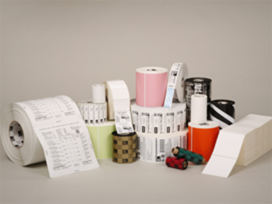
Discover Our Label Products
Discover our range of label products and taste the excitement of customization. Our label products are rich and diverse to meet your every personalized need

Find Solutions for Your Industry
Discover customized solutions for your industry. We provide high-quality, professional solutions to customers in various industries through customized labels

Create Something With Us
Work with us to create a label that belongs to your brand. We are committed to working with our customers to create unique and thoughtful label products

Purchasing Product Guide
Choose the best label customization service. Our guide will show you how to purchase our services and products to meet your labeling needs
