



Video
Automotive Metal Tags
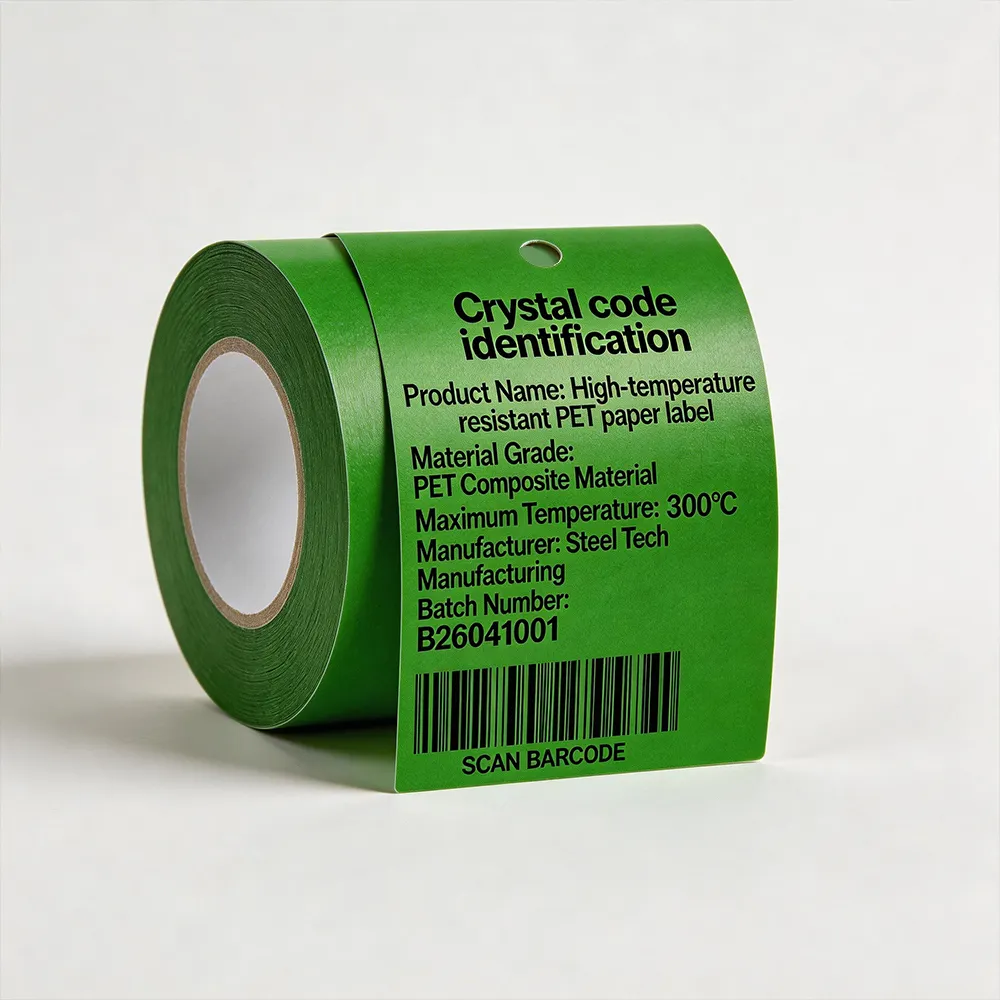
Vehicle lifecycle identification control: In automotive production lines, automotive metal tags actively maintain stable tracking performance while high-temperatureresistant pet paper label structures support consistent data retention across assembly, testing, and logistics workflows.
Assembly line data synchronization: Production systems actively assign and update identification codes so each vehicle component remains traceable from stamping and welding stages through final inspection without information loss.
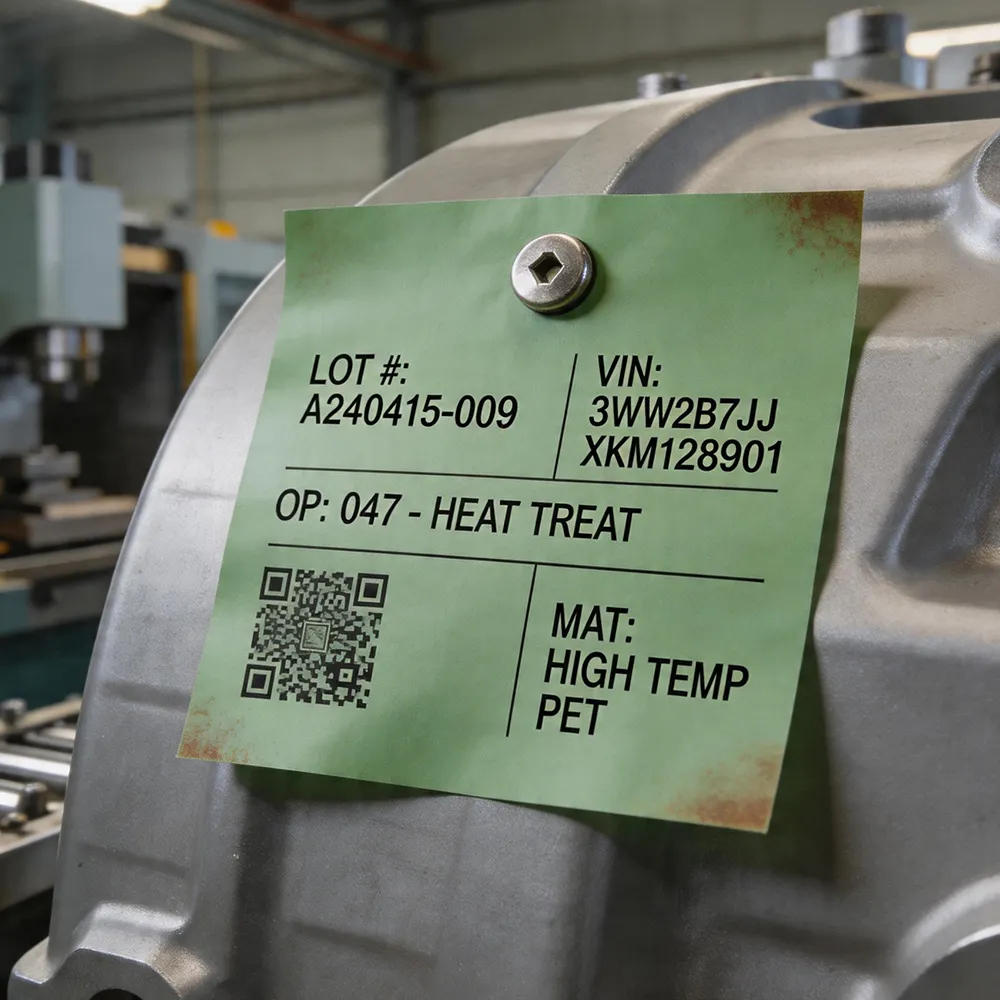
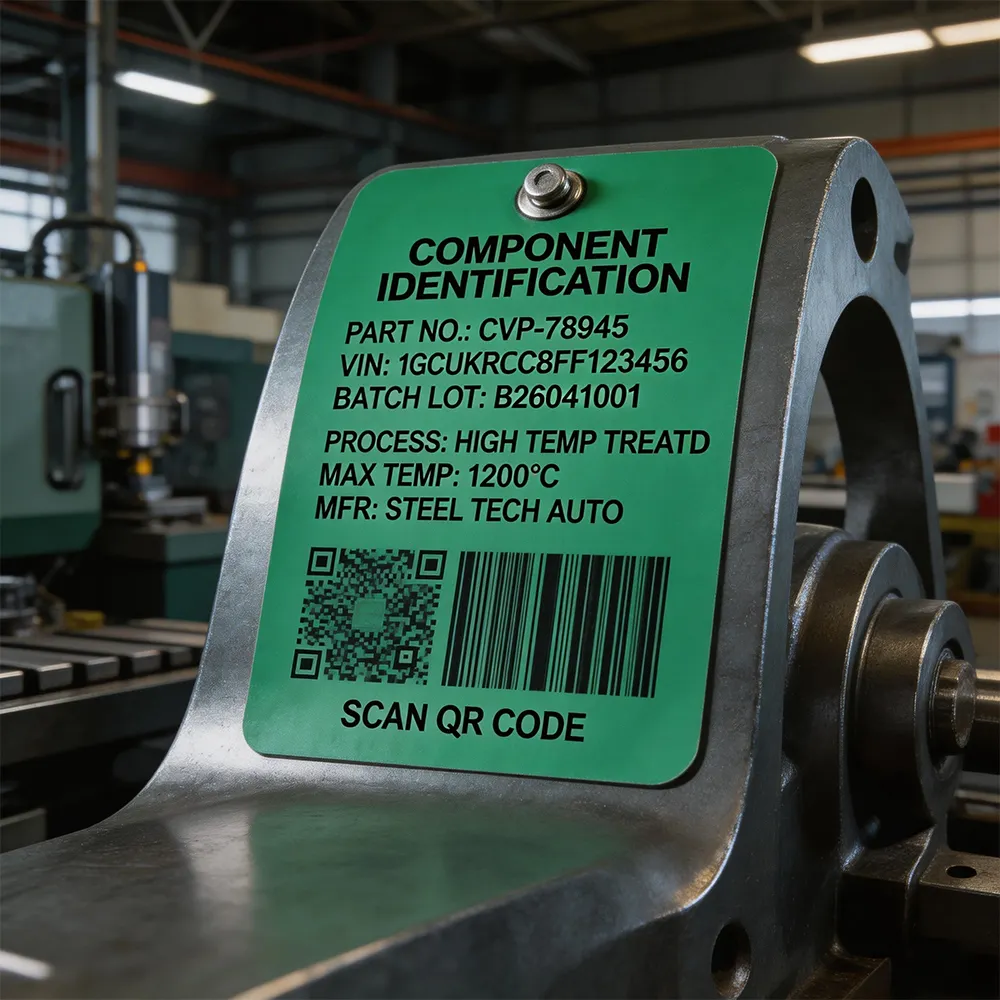
Engine and drivetrain trace support: Engineers actively attach and verify tags on critical powertrain parts, ensuring each identifier stays readable during heat, oil exposure, and continuous mechanical operation.
Corrosion and fluid exposure resistance: The tag system actively resists degradation from lubricants, fuel contact, and environmental moisture, helping maintain clear marking visibility throughout long-term vehicle service cycles.
High vibration operational stability: Manufacturing and road-use conditions expose parts to constant vibration, and technicians ensure labels remain firmly secured while preserving readable identification on metallic surfaces.

Chassis marking reliability support

Heat cycle endurance strength

Manufacturing line tag control
-

Packaging Design and Innovation
Offers professional packaging design services, combining the latest market trends and customer needs to guarantee unique and visually appealing box packaging.
-
Efficient Production Capacity
Sophisticated manufacturing equipment and technology, quick market response, and delivery scheduling capabilities.
-
Global Logistics and Distribution
Customized logistics with mode and route switches to accommodate customer demands, thus reducing logistics costs.

Specification
| Product Name : Automotive Metal Tags | Material Options : Aluminum Alloy / Stainless Steel / Brass / Ceramic Composite |
| Operating Temperature : 300°C / 500°C / 800°C / up to 1000°C (depending on material) | Thickness Range : 0.3–5.0 mm |
| Surface Treatment : Anodized / Brushed / Polished / Anti-Oxidation Coating | Marking Methods : Laser Engraving / Barcode / QR Code / Embossing / Stamping |
| Fixing Methods : Rivet / Welding / High Temperature Adhesive / Mechanical Clamp | Application Scope : Steel Mill / Furnace / Heat Treatment / Rolling Mill / Coil & Slab Tracking / Industrial Asset Management / Aerospace & Automotive Manufacturing |
| Environment Resistance : High Temperature / Oxidation / Corrosion / Chemical Exposure | Traceability System : Full Industrial Production Line Identification |
Description
automotive metal tags are engineered with a multi-layer industrial structure designed for demanding vehicle manufacturing and operational environments. The core substrate is typically built from reinforced alloy-compatible composite material that maintains stability under mechanical stress, vibration, and temperature variation. A functional marking layer is applied on the surface to support precise identification encoding, ensuring that part data remains readable throughout vehicle lifecycle stages. Beneath this layer, a pressure-activated bonding interface enables secure attachment to engine blocks, chassis frames, and transmission components. A stabilizing carrier layer assists in maintaining sheet rigidity during production handling, cutting, and integration into automotive traceability systems that may also incorporate HEAT RESISTANT POLYESTER PAPER LABEL technologies for industrial identification workflows.
Manufacturing Process and Surface Preparation
The production of automotive metal tags follows a structured sequence of forming, coating, and lamination operations. The base material is shaped under controlled industrial conditions to achieve consistent thickness and mechanical strength suitable for automotive environments. Surface conditioning processes are applied to optimize compatibility with engraving, stamping, or digital marking systems used in vehicle production. Adhesive layers are introduced using precision coating equipment to ensure uniform bonding performance across metal surfaces. After lamination, the material undergoes stabilization treatments to enhance durability and resistance to vibration and environmental exposure before being converted into sheet or component formats for automotive manufacturing use.
Marking and Data Encoding Workflow
In automotive production systems, metal tags are processed using laser marking, mechanical stamping, or high-precision digital engraving technologies. Engineers prepare identification data through structured digital systems before applying it to the treated surface. The marking process encodes serial numbers, part codes, and tracking information with high accuracy to ensure consistent traceability across production stages. After marking, conversion equipment such as die cutting or CNC shaping systems forms the tags into required geometries for installation on automotive assemblies. These operations are integrated into production lines where continuous identification and component tracking are essential for quality control and logistics management.
Technical Standards and Quality Assurance
automotive metal tags are manufactured under strict industrial standards to ensure reliability across automotive operating conditions. Dimensional accuracy is maintained within tight tolerances to support automated installation processes. Bonding strength and mechanical resistance are tested to ensure performance under vibration, thermal cycling, and exposure to oils and automotive fluids. Standardized formats are used to ensure compatibility with manufacturing and assembly systems. Quality inspection procedures evaluate marking clarity, surface uniformity, and structural integrity to guarantee long-term identification performance across automotive production and service environments.
Application in Automotive Traceability Systems
automotive metal tags are widely used in vehicle manufacturing, component tracking, and maintenance documentation systems. Production teams assign identification data at different assembly stages to ensure full traceability from raw component to finished vehicle. Tags remain attached throughout testing, transportation, and operational use, enabling continuous monitoring of critical automotive parts. Engineers and maintenance personnel rely on these identifiers to manage inventory, verify part history, and support service operations. This structured application improves efficiency, accuracy, and lifecycle control in complex automotive industrial systems.
Learn More About Crystal Code
automotive metal tags provide a durable identification surface that preserves marking clarity, precise data readability, and long-term traceability even under vibration, oil exposure, and harsh automotive operating conditions.
Discover Our Label Products
Discover our range of label products and taste the excitement of customization. Our label products are rich and diverse to meet your every personalized need

Find Solutions for Your Industry
Discover customized solutions for your industry. We provide high-quality, professional solutions to customers in various industries through customized labels

Create Something With Us
Work with us to create a label that belongs to your brand. We are committed to working with our customers to create unique and thoughtful label products

Purchasing Product Guide
Choose the best label customization service. Our guide will show you how to purchase our services and products to meet your labeling needs
