



Video
Autoclave Labels
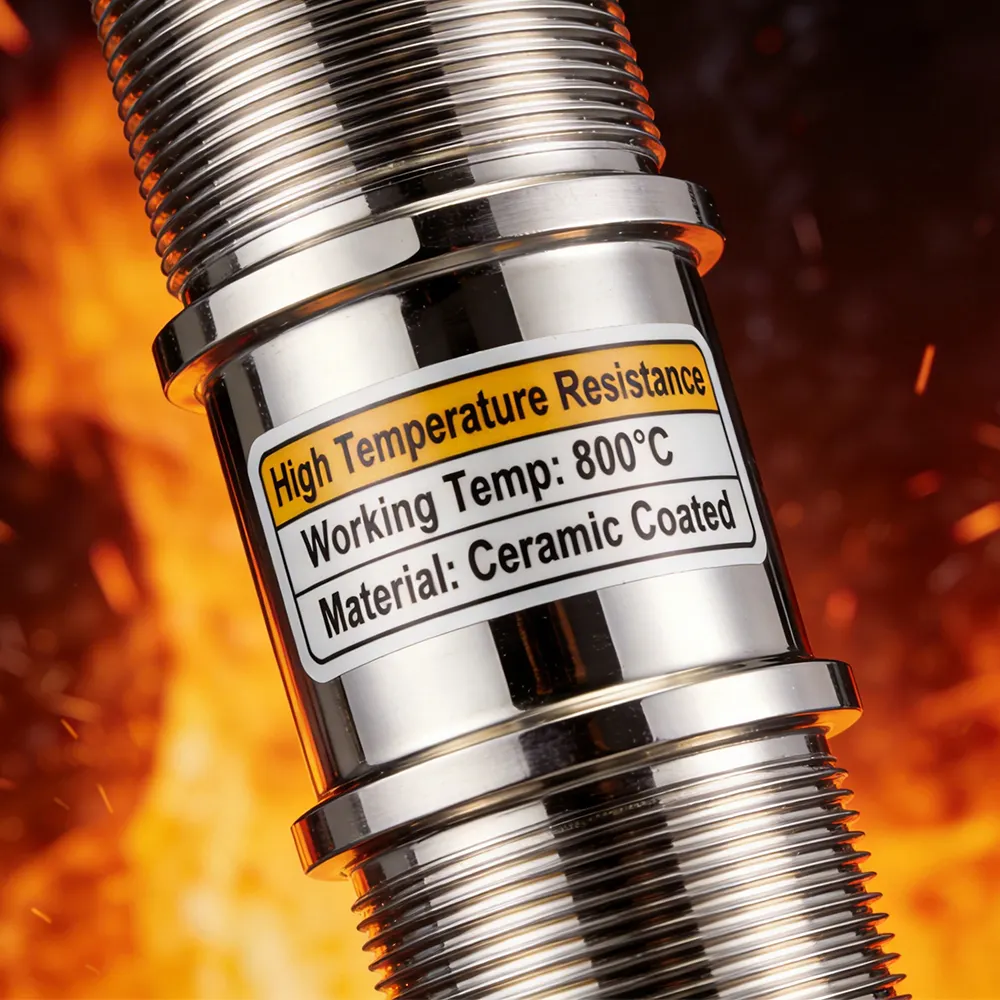
Reliable Sterilization: Autoclave labels maintain stable adhesion during repeated steam sterilization cycles in hospital blood workflows, ensuring samples stay properly identified throughout processing.
Clear Sample Tracking: Autoclave labels preserve readable information on tubes and vials, and laboratory systems scan data quickly without interruption or error.
Strong Surface Bonding: The adhesive bonds firmly to glass and plastic containers, and staff can handle samples without worrying about label detachment.
Chemical Resistance: The material resists common disinfectants used in clinical environments, and printed data remains intact during routine cleaning procedures.
Moisture Protection: The surface blocks condensation and liquid exposure, and this helps maintain barcode clarity during refrigeration and transport.

Long-Term Readability

Secure Sample Tracking

Abrasion Resistant Coating
-

Packaging Design and Innovation
Offers professional packaging design services, combining the latest market trends and customer needs to guarantee unique and visually appealing box packaging.
-
Efficient Production Capacity
Sophisticated manufacturing equipment and technology, quick market response, and delivery scheduling capabilities.
-
Global Logistics and Distribution
Customized logistics with mode and route switches to accommodate customer demands, thus reducing logistics costs.

Specification
| Product Name : Autoclave Labels | Operating Temp: : -40°C to +260°C |
| Material Type : Polyester Film | Adhesive Type : Heat-Resistant Acrylic |
| Label Thickness : 70 µm | Width : 25 mm |
| Length : 50 mm | Print method : Thermal Transfer |
| Color : White/Matte | Tensile strength : 55 MPa |
| Elongation at Break : 40 % | Chemical Resistance : High |
Description
autoclave labels are manufactured using multilayer synthetic materials developed for sterilization and laboratory identification systems. The upper layer consists of a heat-tolerant film engineered to maintain dimensional stability during steam exposure. A protective surface coating improves print retention and reduces image distortion under high humidity conditions. Beneath the top film, a pressure-activated adhesive layer secures attachment to glass, plastic, and stainless-steel surfaces. A release liner supports accurate feeding during manual and automated application procedures.
Manufacturing Process
Manufacturers produce autoclave labels through controlled extrusion, coating, and lamination operations. The base material is formed under regulated thermal conditions to maintain uniform thickness and consistent flexibility. Surface treatments are applied to optimize barcode and text clarity during thermal transfer or laser printing. Adhesive layers are laminated using calibrated roller systems to ensure reliable bonding performance. After curing and stabilization stages, the material is converted into sheets or roll configurations suitable for laboratory labeling equipment.
Printing and Conversion
autoclave labels are processed through digital and thermal printing systems depending on production requirements. During printing, barcode data, identification numbers, and patient information are transferred onto the treated surface with high precision. Operators load the labels into roll-fed or sheet-fed printers for controlled output alignment. Following printing, cutting systems define final dimensions and shapes for vials, blood bags, and medical containers. Finished labels are organized for sterilization workflows, storage preparation, and inventory management procedures.
Standards and Specifications
autoclave labels follow strict manufacturing specifications to maintain reliable performance in sterilization environments. Material thickness commonly ranges from 70 to 140 microns depending on application requirements. Adhesive formulations are calibrated for resistance to steam, condensation, and elevated temperatures. Standard supply formats include die-cut rolls and sheet configurations compatible with laboratory printers. Quality inspections evaluate coating consistency, adhesive stability, print durability, and dimensional precision under controlled environmental testing procedures.
Usage Context
autoclave labels are integrated into hospital laboratories, blood banks, and sterilization facilities where dependable identification is essential. Medical personnel prepare digital layouts using barcode or laboratory management software before printing operations begin. Labels are then applied to specimen tubes, blood containers, and storage trays requiring high-temperature sterilization. During handling, transport, and processing, identification data remains visible and scannable. Completed labeled items are subsequently organized within clinical tracking systems for storage, testing, and distribution management workflows.
Learn More About Crystal Code
autoclave labels provide a heat-resistant surface that preserves barcode accuracy, clear text, and reliable patient information even during repeated steam sterilization cycles.
Discover Our Label Products
Discover our range of label products and taste the excitement of customization. Our label products are rich and diverse to meet your every personalized need

Find Solutions for Your Industry
Discover customized solutions for your industry. We provide high-quality, professional solutions to customers in various industries through customized labels

Create Something With Us
Work with us to create a label that belongs to your brand. We are committed to working with our customers to create unique and thoughtful label products

Purchasing Product Guide
Choose the best label customization service. Our guide will show you how to purchase our services and products to meet your labeling needs
